
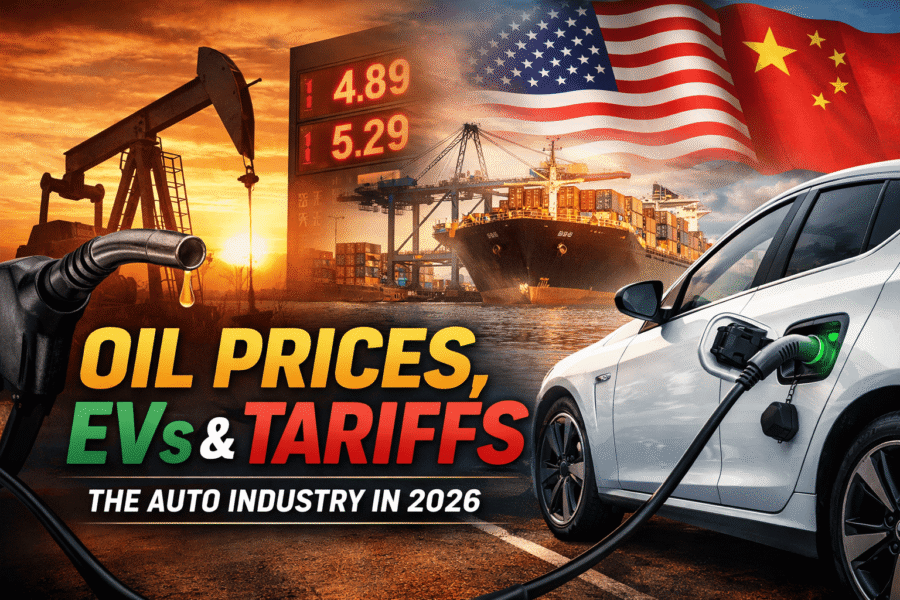
Oil Prices, Electric Vehicles & Tariffs: A New Era for the Auto Industry
The global auto industry is going through a major transformation. Rising oil prices, increasing demand for electric vehicles (EVs), and shifting trade policies are all playing a role in reshaping how cars are built, sold, and used.
For consumers and manufacturers alike, 2026 is proving to be a turning point.
Rising Oil Prices Are Changing Buyer Behavior
Fuel costs have always influenced car buying decisions, but the impact is stronger than ever now.
As oil prices continue to climb:
- Petrol and diesel vehicles are becoming more expensive to operate
- Consumers are actively looking for fuel-efficient alternatives
- Long-term savings are becoming a key decision factor
This shift is pushing many buyers toward electric vehicles, even those who were previously hesitant.
Electric Vehicles Are Gaining Momentum
Electric vehicles are no longer a niche market. They are quickly becoming mainstream.
Why EVs Are Growing Fast:
- Lower running costs compared to fuel-powered cars
- Government incentives in many countries
- Improved charging infrastructure
- Better battery technology and longer range
More automakers are now investing heavily in EV production, signaling a long-term commitment to electric mobility.
Tariffs Are Reshaping Global Competition
Trade policies and tariffs are adding another layer of complexity to the auto industry.
Governments are imposing tariffs to:
- Protect domestic manufacturers
- Reduce dependency on imports
- Strengthen local supply chains
However, tariffs can also:
- Increase car prices for consumers
- Disrupt global supply chains
- Create uncertainty for automakers
Impact on Car Manufacturers
Automakers are facing pressure from multiple directions at once.
Key Challenges:
- Balancing EV investments with traditional vehicle production
- Managing rising production costs
- Adapting to changing regulations across countries
Strategic Shifts:
- Expanding EV portfolios
- Localizing manufacturing to avoid tariffs
- Investing in battery technology and supply chains
Fuel Cars vs Electric Vehicles: A Quick Comparison
| Factor | Fuel Vehicles | Electric Vehicles |
|---|---|---|
| Running Cost | High (fuel dependent) | Low (electric charging) |
| Maintenance | Moderate to high | Lower |
| Environmental Impact | High emissions | Low emissions |
| Initial Cost | Lower | Higher (but decreasing) |
What This Means for Consumers
For buyers, the current market offers both challenges and opportunities.
Things to Consider:
- Rising fuel prices may increase long-term ownership costs
- EVs may have higher upfront costs but lower lifetime expenses
- Government policies and incentives can influence final prices
Choosing the right vehicle now depends more on long-term value rather than just the initial price.
The Road Ahead
The auto industry is clearly moving toward an electric future, but the transition won’t happen overnight.
Key trends to watch:
- Continued rise in EV adoption
- Fluctuations in oil prices
- Changes in global trade policies
- Advancements in battery technology
The combination of rising oil prices, rapid EV adoption, and evolving tariffs is creating a new landscape for the auto industry.
For consumers, it’s a time to rethink how they choose vehicles.
For manufacturers, it’s a race to adapt and stay competitive.
One thing is certain—the future of mobility is changing fast, and electric vehicles are at the center of it.

