Trump Warns Iran of Massive Strikes as Strait of Hormuz Crisis Escalates
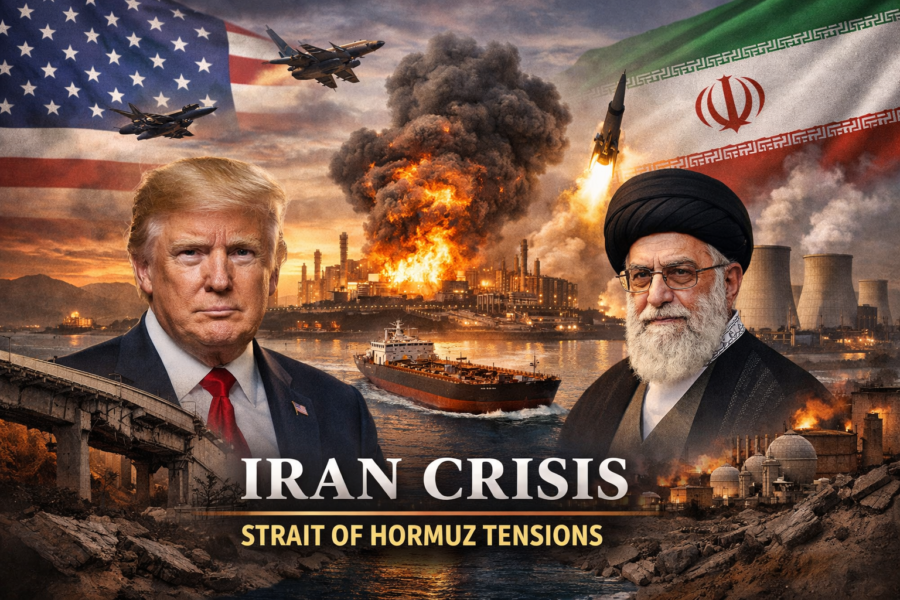
The conflict between the United States, Israel, and Iran continues to intensify as President Donald Trump issued a strong warning to Tehran.
Trump said Iran must reopen the Strait of Hormuz, one of the world’s most important oil shipping routes, or face large-scale military strikes on critical infrastructure.
The situation has raised global concerns about energy supplies, regional security, and the risk of a wider war.
Trump’s Ultimatum to Iran
President Trump has given Iran a deadline to allow ships to pass through the Strait of Hormuz safely.
If Iran refuses, the U.S. has threatened to strike key infrastructure.
Possible targets mentioned by the U.S.
- Power plants
- Bridges
- Energy infrastructure
- Military facilities
Trump warned that failure to comply could result in devastating attacks across the country.
Iran, however, rejected the ultimatum and demanded a full stop to U.S. and Israeli airstrikes before negotiations could begin.
Why the Strait of Hormuz Matters
The Strait of Hormuz is one of the most strategic waterways in the world.
Key facts:
- Around 20% of global oil supply passes through this route.
- It connects the Persian Gulf to global markets.
- Many Asian countries depend on this oil flow.
Because of the conflict, shipping in the region has slowed dramatically, causing oil price spikes and global economic uncertainty.
Military Actions Continue in the Region
The war has already led to significant military activity across the Middle East.
Recent developments
- Israeli airstrikes targeted Iranian military infrastructure.
- Iran responded with missile attacks toward Israel and nearby allies.
- Gulf countries reported intercepting drones and missiles aimed at energy facilities.
Both sides continue to exchange threats, raising fears that the conflict could expand further.
Rising Humanitarian and Global Concerns
The ongoing war has had serious consequences for civilians and the global economy.
Major concerns include:
- Thousands of reported deaths since the conflict began
- Damage to infrastructure and cities
- Disruption of global oil and energy markets
- Increased risk of a wider Middle East war
International organizations and several countries are calling for urgent diplomatic efforts to reduce tensions.
Diplomatic Talks Still Possible
Despite the strong rhetoric, negotiations may still happen.
Some countries are trying to mediate discussions between Washington and Tehran. However, both sides currently have very different demands.
Iran wants:
- A full ceasefire
- Compensation for damages
- Removal of sanctions
The United States is demanding:
- Free navigation through the Strait of Hormuz
- Limits on Iran’s nuclear and missile programs.
The Iran war in 2026 has quickly become one of the most serious geopolitical crises in recent years.
President Trump’s warning about possible strikes on Iranian infrastructure has raised tensions even further. Meanwhile, Iran remains defiant and insists on its own conditions for peace.
With the Strait of Hormuz at the center of the conflict, the outcome could have major consequences for global oil markets, international security, and the stability of the Middle East.
For now, the world is watching closely as diplomatic efforts continue and the deadline for a potential military escalation approaches.